
Diabetes by the Numbers: How CGMs Help You Stay in Range
Tag: diabetes-and-cgm
Published: November 5, 2026
Summary
People with diabetes should track blood glucose levels, A1C (average blood sugar over 2–3 months), and time in range. Continuous glucose monitors (CGMs) make this easier by providing real-time readings every few minutes.
Understanding Your Diabetes Numbers and What They Mean
More than 40 million people in the United States are living with diabetes, and many don’t consistently know where their blood sugar levels stand day to, according to the Centers for Disease Control and Prevention (CDC)*. Understanding your numbers isn’t just helpful — it’s one of the most important ways to feel confident managing your health.
When you can see how your blood sugar changes throughout the day, small decisions become easier. You can better understand how meals, movement, and daily routines affect you.
Tools like continuous glucose monitors (CGMs) make this process simpler by showing real-time trends. With the right information and support, staying in range can feel more achievable.
What Numbers Should People Living With Diabetes Track?
People living with diabetes often track three key measures:
- Blood glucose levels
- A1C (your average blood sugar over the past 2 to 3 months)
- Time in range (TIR)
A CGM can make this easier by showing real-time readings and patterns throughout the day. Instead of guessing, you can see what’s happening in the moment and over time.
Why Your Numbers Matter in Diabetes Management
Managing diabetes often starts with one important step: understanding your numbers.
From daily blood sugar readings to long-term A1C results, these metrics provide a clear picture of how well your condition is controlled — and where adjustments may help.
Today, tools like CGMs make tracking easier than ever by delivering real-time insights every few minutes. When you understand what your numbers mean, you can make informed decisions that improve your health and reduce the risk of complications.
What Are Normal Blood Sugar Levels?
Your target blood glucose range will vary based on your age, overall health, and medical history. However, general guidelines for many adults with diabetes include:
- Before meals: 80–130 mg/dL
- 1–2 hours after meals: Less than 180 mg/dL
Your healthcare provider will help you set a personalized target range that works best for your individual needs.
Why this matters:
Staying within your recommended range can lower the risk of complications such as nerve damage, kidney disease, vision problems, and cardiovascular issues.
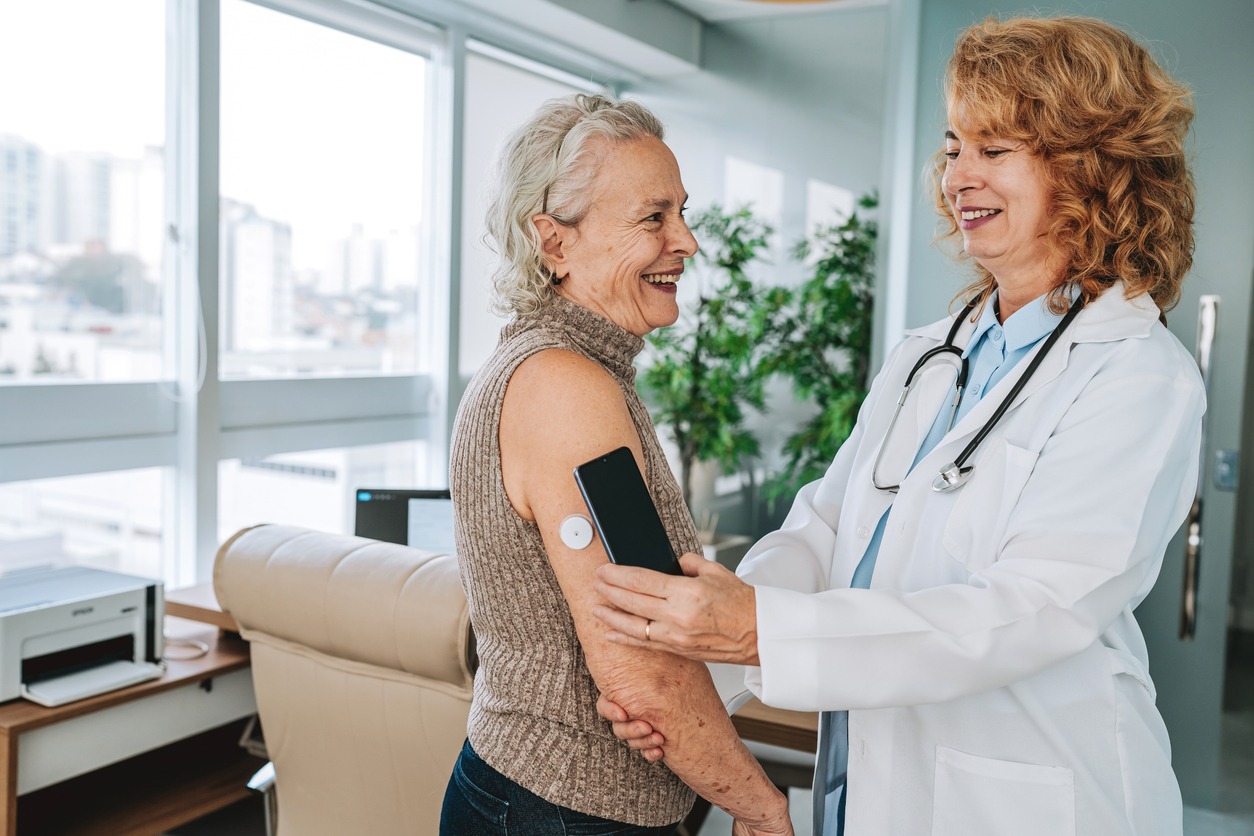
What Is a Continuous Glucose Monitor (CGM)?
A CGM consists of three main parts:
- A sensor inserted under the skin
- A transmitter that sends data wirelessly
- A receiver or smartphone app that displays your readings
Unlike fingersticks, CGMs provide:
- Real-time glucose readings
- Trend data (rising or falling levels)
- Alerts for highs and lows
- This allows you to see how food, activity, stress, and medication impact your glucose levels throughout the day.
More Data = Better Diabetes Management
One of the biggest advantages of CGMs is the ability to track patterns over time. Instead of isolated readings, you get a continuous stream of insights.
For example, a CGM can help you:
- Identify foods that cause spikes
- Understand how exercise affects your levels
- Prevent dangerous lows (hypoglycemia)
- Adjust medications with your healthcare provider
Your numbers are not a test. They are simply tools that help you understand what your body needs.
Fluctuations happen. The goal is not perfection. It is recognizing patterns and making small changes that feel manageable over time.
What Is A1C?
The A1C test is a blood test performed at your doctor’s office that shows your average blood glucose levels over the past 2–3 months.
Typical A1C goal:
- Below 7% for many adults (individual targets vary)
Unlike daily readings, A1C provides a long-term view of how your diabetes is being managed.
Most patients are advised to check their A1C at least twice a year, or more frequently if levels are not well controlled.
What Is Time in Range (TIR)?
Time in range (TIR) is a key metric provided by CGMs. It shows the percentage of time your glucose stays within your target range.
- Common target range: 70–180 mg/dL
- Recommended goal: At least 70% of the day
Why TIR matters:
- Captures daily ups and downs
- Improves personalized treatment decisions
- Complements A1C by showing real-time control
For example:
Maria noticed her glucose spiked after dinner each night. With guidance from her healthcare provider, she adjusted her portions and added a short walk after meals. Within weeks, her time in range improved significantly.
Managing Diabetes Without the Stress
If you're new to diabetes, managing numbers can feel overwhelming at first. But with the right tools and support, it becomes much more manageable.
Here are a few strategies:
- Work closely with your healthcare team
- Focus on patterns—not perfection
- Use CGM alerts to stay proactive
- Join a support group for encouragement
- Build routines around meals, activity, and medication
Simplify Your Diabetes Care with Home Care Delivered
Never run out of diabetes supplies again: Take Control with Diabetes Management Supplies Delivered to You
Home Care Delivered makes managing your condition easier by shipping essential supplies directly to your door, including:
- CGMs and sensors
- Glucose meters and test strips
- Lancets and other essentials
We work directly with your doctor and insurance provider to streamline the process — so you can focus on your health, not logistics.
Learn More:
Living with a chronic condition that requires medical supplies?
Let us help you get the products you need — delivered discreetly to your door.
Many people manage ongoing health conditions, and the right medical supplies can make all the difference. The team at HCD works with you, your doctor, and your insurance plan to support a wide range of needs, including urological, ostomy, diabetes, and wound care. We’ll help ensure you get the supplies you need to manage your condition with confidence.
Call 866-938-3906 to see if you qualify or reach out through our Contact Us form by selecting “An individual looking to see if I or a loved one qualifies for medical supplies.”
Sources
*Centers for Disease Control and Prevention. (n.d.). National diabetes statistics report. U.S. Department of Health and Human Services. https://www.cdc.gov/diabetes/php/data-research/index.html