
How to Use a Hydrophilic Catheter: Step-by-Step Guide for Safer, More Comfortable Use
Tag: urology

Published: October 28, 2026
Summary
This guide explains how to use a hydrophilic catheter step by step, helping individuals feel more prepared and confident with intermittent catheterization. It covers preparation, usage, and tips to support a smoother routine. The content is designed to make daily catheter use more manageable and consistent.
Learning to Use A Hydrophilic Catheter
Getting started with a catheter — or adjusting to a new type — can feel unfamiliar at first. That’s completely normal. With the right guidance and a little practice, intermittent catheterization becomes a manageable part of your daily routine. Your healthcare provider will guide you on the technique and frequency best suited for your needs.
At Home Care Delivered, we support individuals every day in finding catheter products that fit their needs and routines. Products like our hydrophilic catheters are designed to support a smoother, more consistent experience.
If you’re new to using them, understanding how they work and how to prepare can help you feel more confident each time you use one.
Before You Begin
Taking a few moments to prepare can help make the process feel smoother and more predictable. A consistent setup can also help build confidence over time when performing intermittent catheterization.
Understanding Your Hydrophilic Catheter
Hydrophilic catheters vary slightly by design, so it’s important to understand how yours works.
- Pre-activated catheters: Ready to use right out of the package
- Water-activated catheters: Require activation before use (typically included in packaging)
Some designs may also include no-touch sleeves or handling aids to help support cleanliness during use.
Gather Your Supplies
Having everything within reach can help reduce interruptions once you begin:
- Hydrophilic catheter (as prescribed)
- Clean surface or supplies area
- Collection container (if needed)
Some individuals also choose to keep supplies stored in the same place each time to make their routine easier. Caregivers may also assist with setup and help maintain a consistent routine.
Prepare Your Space
Whether you’re at home, at work, or traveling, having a consistent setup can help make catheterization easier. Choose a clean, well-lit area where you feel comfortable and have enough room to move freely. A familiar space can help the process feel more natural.
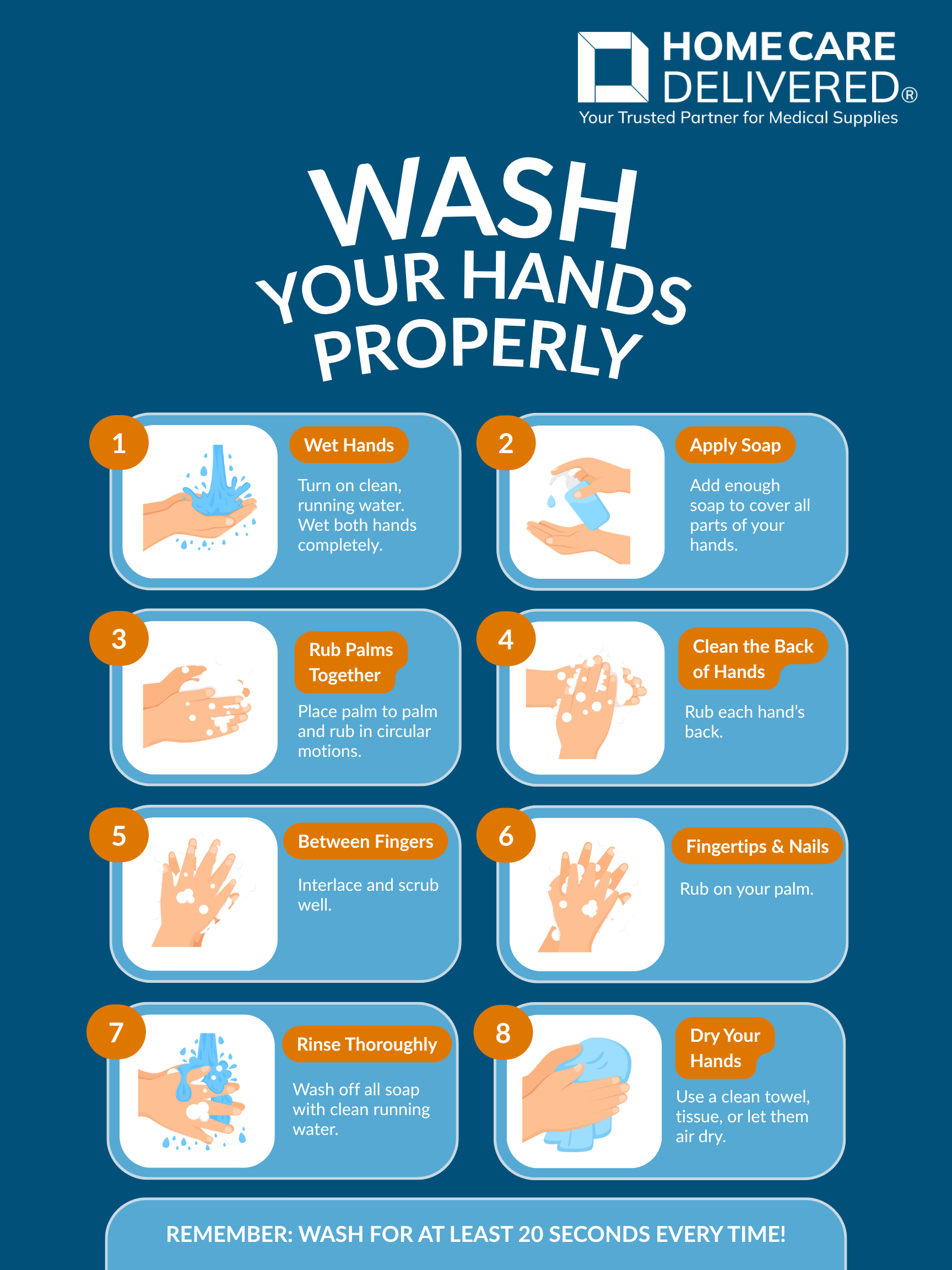
Wash Your Hands
Hand hygiene is an important part of safe catheter use. Wash thoroughly with soap and water before beginning and after catheterization.
Take a Moment to Relax
If you’re new to catheter use, it’s normal to feel unsure at first. Taking a few slow breaths and giving yourself time to settle in can help make the process easier.
How to Use a Hydrophilic Catheter
While each product may be a little different, most follow a similar process. Take your time and follow the instructions provided with your catheter.
Step 1: Get the Catheter Ready
Open the package carefully. Depending on your catheter, it may be pre-activated and ready to use, or it may require activation with water before use.
Take a moment to review the instructions included with your product so you understand how your specific catheter works.
Step 2: Find a Comfortable Position
Position yourself in a way that feels stable and comfortable. This may vary based on your routine and environment.
Step 3: Gently Insert the Catheter
Slowly and gently insert the catheter as shown in your instructions. If you feel resistance, pause and try to relax before continuing.
Step 4: Allow Complete Drainage
Once in place, allow urine to drain fully before moving on.
Step 5: Remove and Dispose
Slowly remove the catheter and dispose of it according to the product instructions.
Consistency Builds Confidence
Using a consistent approach each time can help make catheterization feel more predictable and comfortable.
Simple habits — like washing your hands, preparing your supplies ahead of time, and following your product instructions — can support a less stressful experience day to day.
Consistency can also help reduce the risk of common complications, such as irritation or infection. While no product can eliminate risk entirely, small steps taken regularly can make a meaningful difference.
Over time, these routines can help you feel more in control and confident in your process.
Tips for a More Comfortable Experience
Take Your Time
It’s okay if it feels new at first. Moving slowly and staying relaxed can help.
Stay Relaxed
Taking slow breaths and staying relaxed may help make insertion easier.
Create a Routine
A consistent routine can make the process feel more natural over time.
Use the Right Product
Different catheter types and formats are available. Options vary in length, flexibility, and packaging. Your provider may help determine which type best supports your comfort and daily routine.
When to Seek Help
It’s important to pay attention to how your body feels and how your routine is working for you. If something doesn’t feel quite right, you’re not alone — and support is available.
You may want to reach out to your healthcare provider if you notice:
- Ongoing discomfort or pain during use
- Difficulty inserting or removing the catheter
- Little or no urine flow when you expect it
- Changes in urine color, clarity, or odor that seem unusual for you
- Signs of irritation, such as redness or sensitivity
- Any part of your routine starting to feel harder or less consistent
According to the CDC, catheter-associated urinary tract infections (CAUTIs) are among the most common healthcare-associated infections. Proper hygiene, like washing your hands and using single-use sterile supplies, can also help reduce the risk of complications *.
Even small changes can be worth checking on. Getting guidance early can help you stay comfortable and confident in your routine. If you ever feel unsure, it’s always okay to ask questions. Your healthcare provider can help make sure your current approach and supplies continue to fit your needs.
Making The Process Easier Over Time
With time and practice, using a hydrophilic catheter becomes a more comfortable and predictable part of your daily routine.
If you’re exploring options or need support getting started, HCD works with healthcare providers and insurance plans to help individuals access the catheter supplies that meet their needs. Many insurance plans, including Medicare and Medicaid, may cover catheter supplies when prescribed.
Learn more:
Living with a chronic condition that requires medical supplies?
Let us help you get the products you need — delivered discreetly to your door.
Many people manage ongoing health conditions, and the right medical supplies can make all the difference. The team at HCD works with you, your doctor, and your insurance plan to support a wide range of needs, including urological, ostomy, diabetes, and wound care. We’ll help ensure you get the supplies you need to manage your condition with confidence.
Call 866-938-3906 to see if you qualify or reach out through our Contact Us form by selecting “An individual looking to see if I or a loved one qualifies for medical supplies.”