
How to Help Prevent Incontinence-Associated Dermatitis (IAD)
Tag: incontinence, caregiver
Published: November 5, 2026
Summary
Incontinence-Associated Dermatitis (IAD) is a common form of skin irritation caused by prolonged exposure to urine or stool. Learn how to recognize the early signs of IAD, reduce risk factors, and protect your skin through proper product changes, cleansing routines, and barrier protection.
Protecting Your Skin When Managing Incontinence
If you’re managing incontinence, you know it’s about more than just staying dry – it’s about protecting your skin and feeling confident.
Many individuals worry about irritation or soreness but are not sure what to use to help protect their skin. With the right routine and products, you can reduce irritation and feel more comfortable every day.
At Home Care Delivered (HCD), we support individuals living with incontinence by helping them access high-quality supplies, reliable delivery, and personalized support. We have been supporting individuals as they navigate daily life with incontinence since 1996.
What Is Incontinence-Associated Dermatitis (IAD)?
Nearly 1 in 2 individuals managing incontinence experience Incontinence-Associated Dermatitis (IAD). IAD develops when skin is exposed to moisture from urine or stool for too long. Over time, that moisture can weaken the skin’s natural barrier, leading to redness, irritation, and increased sensitivity.
When skin stays healthy, it is better able to protect you from discomfort and infection. That is why prevention and early awareness are so important.
What Are the Early Signs of IAD?
Skin irritation can develop quickly. Knowing what to look for can help you take action early. Watch for:
- Red or inflamed skin
- Peeling or flaking
- Tenderness or soreness
- Warmth in the affected area
If you notice these signs, contact your doctor about adjusting your routine and products to better help support skin comfort.
What Increases the Risk of Skin Irritation?
Certain factors can make skin more vulnerable when managing incontinence. Common contributors include:
- Prolonged exposure to moisture
- Friction from products that do not fit well
- Natural skin changes related to aging
A study published in the Journal of Wound, Ostomy and Continence Nursing* highlights moisture and friction as leading contributors to IAD. Regular product changes and a consistent skin routine can make a meaningful difference.
How Can You Help Prevent and Manage IAD?
Most skin irritation prevention strategies focus on two key areas.
Managing Moisture Effectively
Reducing how long urine or stool stays in contact with the skin is key. This includes choosing absorbent products that fit well and changing them at the right time.
Supporting the Skin Barrier
Gentle cleansing and light moisturizing help protect intact skin and maintain comfort.
How Often Should Incontinence Products Be Changed?
One of the most effective ways to reduce skin irritation is to limit how long moisture stays in contact with the skin. Changing products at the right time helps protect skin and maintain comfort.
General Guidance
- Change products promptly after leaks
- Check the skin for redness during changes
- Follow manufacturer wear-time guidance
- Ensure a secure but comfortable fit
- Avoid layering multiple products, which can reduce absorbency
HCD Product Tip
Breathable briefs and pull-ons are designed to help keep skin dry and comfortable by absorbing moisture and reducing friction. Pull-ons can be a good option for individuals managing light to moderate urinary leaks, while briefs offer support for those experiencing urinary and bowel leakage.
Bowel Incontinence
- Change immediately after a bowel movement to reduce irritation risk.
- Gently cleanse the skin thoroughly before applying a new product.
HCD Product Tip
If mobility is limited, consider products with easy-to-use tabs or fasteners, which may make changes easier for individuals and caregivers alike.
How to Support Skin Health with Cleansers and Moisturizers
Supporting your skin’s natural barrier is essential. Evidence-based guidelines recommend gentle cleansing and barrier protection as primary strategies to prevent IAD**.
How to Use
- Choose pH-balanced cleansers or wipes designed for incontinence care.
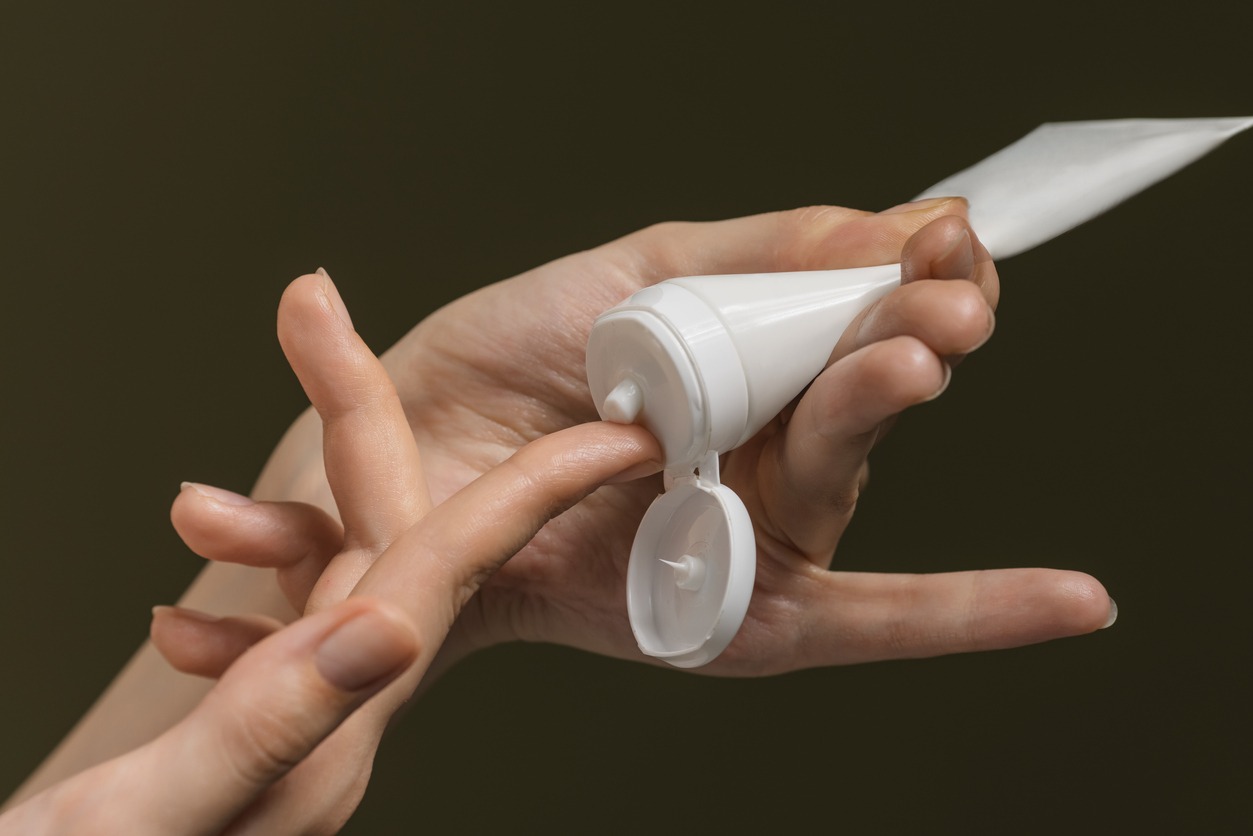
- Apply moisturizers or barrier creams in a thin, even layer.
- Use gentle techniques — pat, don’t rub.
How Much
- A small amount goes a long way. Over-applying can interfere with absorbent products.
- Follow manufacturer instructions for the right amount.
When to Use
- After each cleansing routine.
- When skin feels dry or after prolonged exposure to moisture.
- As directed by your doctor and/or care team.
Need Supplies or Support? We’re Here to Help
Protecting your skin starts with the right products and a routine that works for you. At Home Care Delivered, we make it easier to get the supplies you need to manage incontinence and support healthy skin.
Our team will:
- Help you find high-quality incontinence care products
- Work with your health plan and doctor’s office to simplify the process.
- Deliver your supplies discreetly to your door — on time, every time.
Whether you need barrier creams or absorbent products that fit your lifestyle, we’re here to help you feel confident and supported.
Call us today to learn more about incontinence supplies and personalized support.
You or a loved one dealing with incontinence?
Let us help you get the supplies you need to feel supported, comfortable, and confident.
If you’re managing bladder or bowel incontinence — from light to heavy needs — our team at HCD will work with you, your doctor, and your insurance plan to deliver a personalized product solution that fits your specific situation.
Call 866-938-3906 or share your information through our online enrollment form to get started.
Sources
*Rohwer K, Bliss DZ, Savik K. Incontinence-associated dermatitis in community-dwelling individuals with fecal incontinence. J Wound Ostomy Continence Nurs. 2013 Mar-Apr;40(2):181-4. doi: 10.1097/WON.0b013e31827e8b3d. PMID: 23442827; PMCID: PMC3594339.
**Graham T, Beeckman D, Kottner J, Fader M, Fiorentino F, Fitzpatrick JM, Gray M, Harris RG, Sooriah S, Wallace SA, Worsley PR, Woodward S. Skin cleansers and leave-on product interventions for preventing incontinence-associated dermatitis in adults. Cochrane Database Syst Rev. 2025 Jul 11;7(7):CD011627. doi: 10.1002/14651858.CD011627.pub3. PMID: 40643063; PMCID: PMC12247456.