
Understanding Chronic Wounds: Types, Risk Factors, and How to Manage Them
Tag: wound-care
Published: October 15, 2026
Summary
Chronic wounds are injuries that take longer than four weeks to heal and are often caused by conditions like diabetes, poor circulation, or prolonged pressure. Common types include pressure ulcers, diabetic foot ulcers, venous ulcers, and arterial ulcers. Early care and proper wound management are essential to prevent complications.
What You Need to Know About Chronic Wounds and How They Develop
Chronic wounds affect an estimated 10.5 million people in the United States each year, according to a study published in Advances in Wound Care.* These wounds can make everyday life more challenging, especially for older adults and individuals living with ongoing health conditions.
At Home Care Delivered (HCD), we believe managing a chronic condition should feel more manageable — not overwhelming. Our goal is to help individuals access the supplies and support they need to live with confidence and dignity. Understanding how chronic wounds develop, and how to support the healing process, is an important step toward protecting your overall well-being.
What Is a Chronic Wound?
A chronic wound is a wound that does not progress through the normal healing process within about four weeks. Unlike minor cuts or scrapes, these wounds often stall due to underlying factors such as reduced blood flow, pressure, or health conditions.
For skin to heal, the body needs a few key things:
- Healthy blood flow
- Enough oxygen
- Proper nutrition
- Consistent wound management
When one or more of these factors are disrupted, the body may struggle to repair damaged skin effectively. This is why chronic wounds often require ongoing attention and a structured routine.
Common Types of Chronic Wounds
Chronic wounds can develop in different ways. Understanding the type of wound can help individuals and caregivers better recognize what’s happening and when to seek additional support.
1. Pressure Ulcers (Bedsores)
Pressure ulcers occur when prolonged pressure reduces blood flow to the skin, leading to tissue damage.
Where they typically develop:
- Heels
- Hips
- Tailbone
- Elbows
Research published in the International Wound Journal highlights that pressure injuries are closely associated with reduced mobility and ongoing pressure, particularly among individuals with underlying health conditions or increased support needs.**
Helpful tip:
Regular repositioning, moisture control, and protecting the skin barrier can help reduce risk and support recovery.
2. Diabetic Foot Ulcers
These wounds often begin as small injuries that go unnoticed due to reduced sensation. Over time, they can become more serious.
Experts contributing to the NIDDK's Diabetes in America, 3rd Edition note that the lifetime risk of developing a foot ulcer among people with diabetes has been estimated at about 20% to 25%, meaning roughly 1 in 4 people with diabetes may develop a foot ulcer during their lifetime.†
Why awareness matters: Changes in sensation and circulation can make it harder to detect injury early, increasing the importance of routine checks and consistent monitoring.
3. Venous Leg Ulcers
Venous ulcers develop when blood struggles to flow back toward the heart, often causing fluid buildup in the legs.
Common signs include:
- Leg swelling
- Skin discoloration
- Open sores near the ankles
These wounds may come back if circulation challenges are not addressed over time, making long-term management especially important.
4. Arterial Ulcers
5. Non-Healing Surgical Wounds
Risk Factors for Chronic Wounds
Chronic wounds rarely develop without an underlying cause. Understanding the risk factors can help individuals and caregivers take preventive action early.
Diabetes
High blood sugar can damage nerves and blood vessels, reducing the body’s ability to heal wounds effectively.
Why Early Wound Care Matters
Early and consistent care can make a significant difference in healing outcomes.
Chronic wounds, if left untreated, can lead to:
- Serious infections
- Hospitalization
- Reduced mobility
- Lower quality of life
Without timely treatment, chronic wounds can progress to severe complications. Studies show up to 20% of patients with diabetic foot ulcers require amputation, and infection is a leading cause of hospitalization, underscoring the critical importance of early care1 2.
Why Early Wound Care Matters
Early and consistent care can make a significant difference in healing outcomes.
Chronic wounds, if left untreated, can lead to:
• Serious infections
• Hospitalization
• Reduced mobility
• Lower quality of life
Without timely treatment, chronic wounds can progress to severe complications. Studies show up to 20% of patients with diabetic foot ulcers require amputation, and infection is a leading cause of hospitalization, underscoring the critical importance of early care1 2.
Managing Chronic Wounds at Home
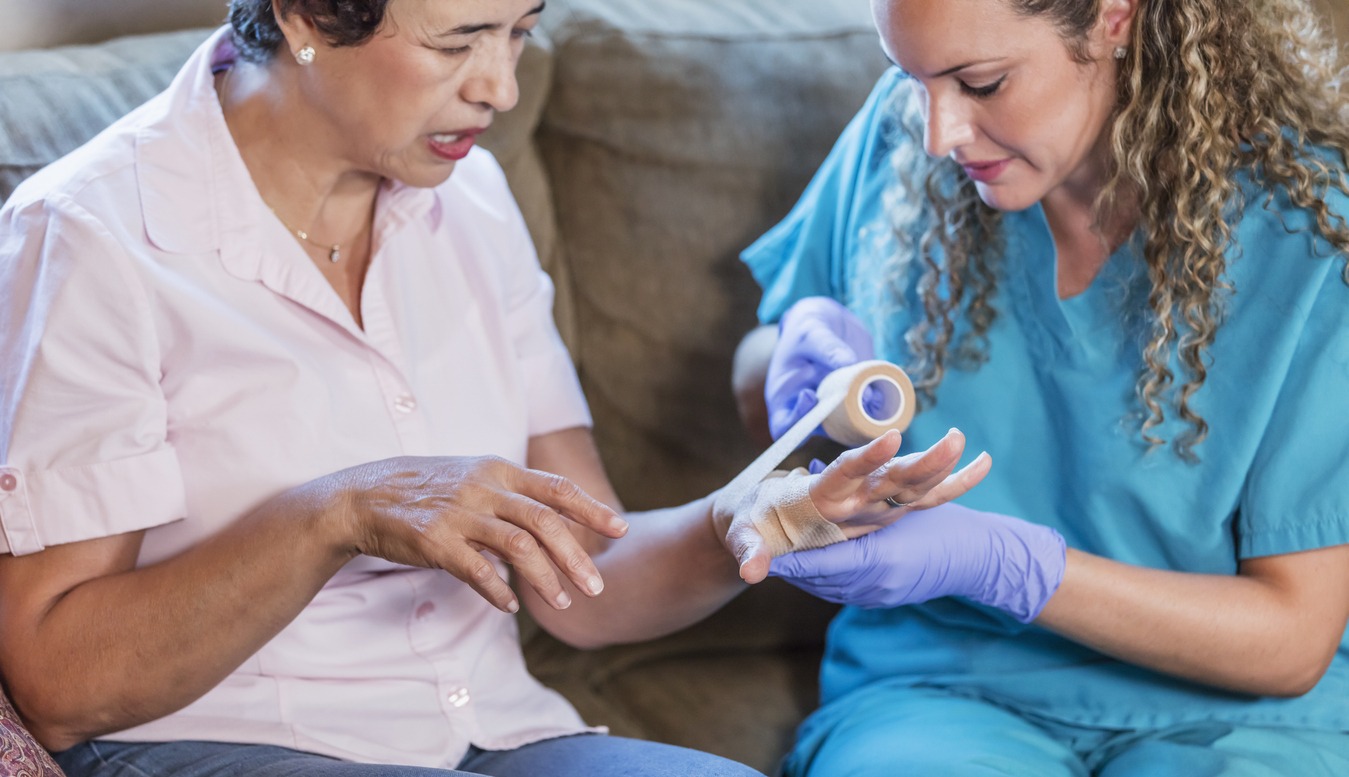
For many individuals, wound care takes place at home — with the support of caregivers and healthcare providers. Establishing a consistent routine is essential.
Practical Tips for At-Home Care:
- Keep the wound clean and covered to prevent infection
- Change dressings regularly as directed by a healthcare provider
- Watch for signs of infection, such as redness, odor, or increased drainage
- Reduce pressure on the affected area
- Follow medical guidance closely, especially for chronic conditions
Many patients and caregivers find that having reliable access to wound care supplies makes maintaining consistency much easier.
Home-delivered medical supply providers, such as Home Care Delivered, work with healthcare professionals to help ensure patients receive medically necessary items — like wound dressings, gauze, cleansing solutions, and protective supplies — often covered by insurance. This kind of support can help reduce stress and make managing daily routines feel more manageable.
Learn more about HCD's Wound Care supplies and available support.
When to Seek Medical Attention
While many wounds can be managed at home, it’s important to recognize when professional care is needed.
Seek medical attention if you notice:
- Increased pain or swelling
- Foul odor or unusual drainage
- Redness spreading around the wound
- Fever or signs of systemic infection
- No improvement within a few weeks
Supporting Healing with the Right Approach
Chronic wounds are a common but manageable health challenge, especially for older adults and individuals living with ongoing conditions. By understanding the different types of wounds and recognizing key risk factors, individuals and caregivers can take proactive steps to support better outcomes.
Early attention, consistent routines, and access to the right supplies all play an important role in supporting healing and overall well-being. Having reliable support can also make daily management feel more manageable.
At Home Care Delivered (HCD), we understand that navigating a chronic condition can feel overwhelming at times. Our team works with you, your healthcare provider, and your health plan to help simplify access to the supplies you need — so you can focus on feeling more comfortable, confident, and supported every day.
Learn more:
Living with a chronic condition that requires medical supplies?
Let us help you get the products you need — delivered discreetly to your door.
Many people manage ongoing health conditions, and the right medical supplies can make all the difference. The team at HCD works with you, your doctor, and your insurance plan to support a wide range of needs, including urological, ostomy, diabetes, and wound care. We’ll help ensure you get the supplies you need to manage your condition with confidence.
Call 866-938-3906 to see if you qualify or reach out through our Contact Us form by selecting “An individual looking to see if I or a loved one qualifies for medical supplies.”
Disclaimer:
Unless otherwise noted, the recommendations in this document were obtained from the sources indicated. Be advised that information contained herein is intended to serve as a useful reference for informational purposes only. HCD cannot be held responsible for the continued accuracy of or for any errors or omissions in the information. All trademarks and registered trademarks are the property of their respective owners.
Sources:
* Sen CK. Human Wound and Its Burden: Updated 2025 Compendium of Estimates. Advances in Wound Care. 2025;14(9):429-438. doi:10.1177/21621918251359554
** Sahay A, Willis E, Yu S. Pressure injury education for older adults and carers living in community settings: A scoping review. Int Wound J. 2024; 21(5):e14894. doi:10.1111/iwj.14894
†National Institute of Diabetes and Digestive and Kidney Diseases (NIDDK). Diabetes, Peripheral Arterial Disease, and Foot Ulcers. Available at: https://www.niddk.nih.gov/health-information/professionals/diabetes-discoveries-practice/diabetes-peripheral-arterial-disease-and-foot-ulcers
1Katherine McDermott, Michael Fang, Andrew J.M. Boulton, Elizabeth Selvin, Caitlin W. Hicks; Etiology, Epidemiology, and Disparities in the Burden of Diabetic Foot Ulcers. Diabetes Care 2 January 2023; 46 (1): 209–221. https://doi.org/10.2337/dci22-0043
2Da Ros, R., Assaloni, R., Michelli, A., Brunato, B., Barro, E., Meloni, M., & Miranda, C. (2024). Burden of Infected Diabetic Foot Ulcers on Hospital Admissions and Costs in a Third-Level Center. Diabetology, 5(2), 141-150. https://doi.org/10.3390/diabetology5020011
Living with a chronic condition that requires medical supplies?
Let us help you get the products you need — delivered discreetly to your door.
Many people manage ongoing health conditions, and the right medical supplies can make all the difference. The team at HCD works with you, your doctor, and your insurance plan to support a wide range of needs, including urological, ostomy, diabetes, and wound care. We’ll help ensure you get the supplies you need to manage your condition with confidence.
Call 866-938-3906 to see if you qualify or reach out through our Contact Us form by selecting “An individual looking to see if I or a loved one qualifies for medical supplies.”