What is a Stoma? Understanding Ostomy Types and Management 

What is a Stoma? Understanding Ostomy Types and Management 

agrace@hcd.com

Tag:

Published:

Summary

Understanding What a Stoma Is and How It Affects Daily Life

If you or someone you care about is preparing for life with a stoma, it’s normal to have questions.  

According to the United Ostomy Association of America, around 725,000 to 1 million people in the U.S. live with an ostomy*. You’re not alone. 

At Home Care Delivered (HCD), we provide high-quality medical supplies for chronic conditions like ostomy, incontinence, and wound care. Our team works with individuals and their healthcare providers to ensure every product fits comfortably and supports daily life. 

This guide explains what a stoma is, why it may be needed, the types of ostomies, and how to manage your routine with confidence. 

What is a stoma?

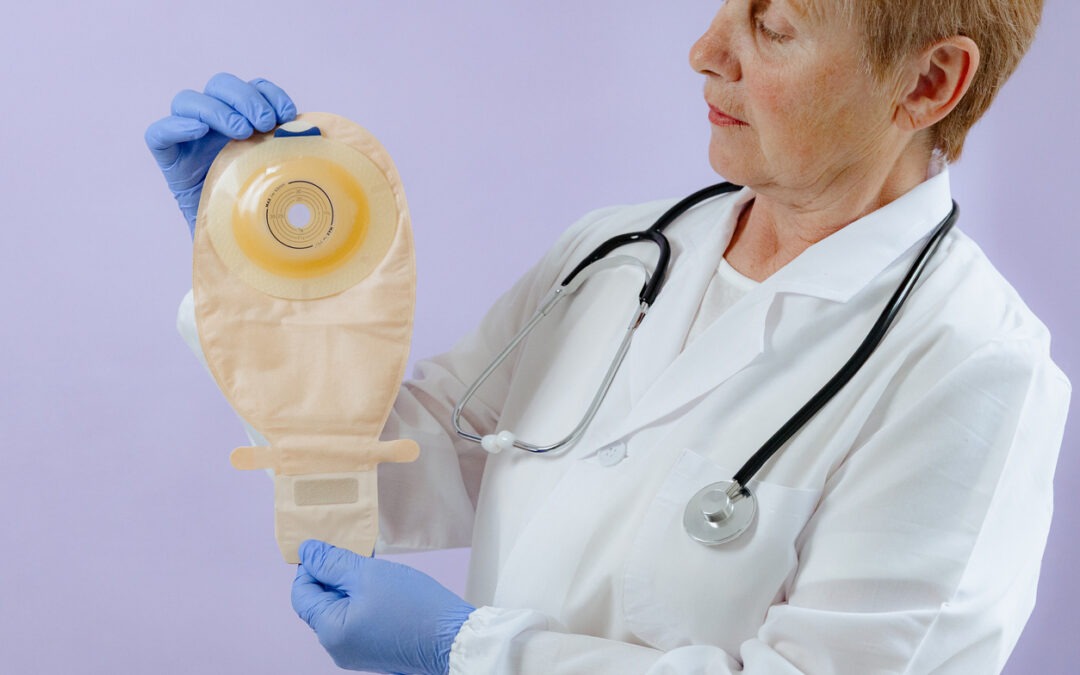
A stoma is a surgically created opening on the abdomen that allows waste, such as stool or urine, to leave the body. It is part of an ostomy, which helps the body function when the usual pathway is no longer available.

Here’s a few additional facts about a stoma:

  • Typically pink or red, moist, and about the size of a quarter to a half-dollar
  • Size, shape, and location vary from person to person
  • No nerve endings so it doesn’t hurt to touch
  • Waste exits into a pouching system worn on the outside of the body

Why would someone need a stoma?

A stoma may be needed due to:

  • Colorectal or bladder cancer
  • Crohn’s or ulcerative colitis
  • Diverticulitis
  • Bowel injuries or blockages
  • Urinary challenges or conditions from birth

Some stomas are temporary; others are permanent. Your healthcare team will explain what to expect.

While it may feel overwhelming at first, many individuals find relief and healing. With the right support and products, living with a stoma can be manageable.

What are the different types of stomas?

There are three main types of stomas, based on location and waste type:

Colostomy

  • Location: Large intestine (colon)
  • Output: Semi-solid to solid stool
  • Frequency: May need emptying once or twice daily

Ileostomy

  • Location: Small intestine (ileum)
  • Output: Liquid to semi-liquid stool
  • Frequency: Typically emptied more frequently throughout the day

Urostomy

  • Location: Urinary system
  • Output: Urine
  • Frequency: Emptied regularly, similar to normal urination

Types of Pouching Systems

There are two main types of pouching systems, each offering benefits based on your body and ostomy needs. HCD’s product experts work with you and your healthcare team to find a solution that feels comfortable and supports your ostomate needs.

All pouching systems include:

  • Skin Barrier
    • Adhesive part around the stoma
    • Also called a wafer or flange
    • Designed to seal securely and protect skin
  • Pouch
    • Collects output
    • Available in styles like drainable, closed, or urostomy-specific
One-Piece SystemsTwo-Piece Systems
Pouch and barrier are one unitSeparate pouch and barrier
Replaced together every few daysBarrier stays on for several days
Easy to apply and discreet under clothingPouch can be changed as needed
May fit better for those with a bulge or herniaOffers flexibility for different activities

Supplies for Securement, Protection, and Comfort

Your pouching system is the foundation of your routine, but additional supplies can help support comfort, protect your skin, and improve day-to-day confidence. These products aren’t just extras. For some individuals, they are an important part of their care routine and ostomy journey.

Skin Protection Products
These items help protect the skin around your stoma and support a secure fit:

  • Barrier wipes or spray – Create a protective layer between your skin and the
  • Adhesive remover wipes – Help gently remove your pouching system without irritating the skin.

Securement Accessories

These products help keep your pouching system in place and provide extra stability:

  • Ostomy belts – Attach to your pouch for added support and security. Available for most pouch brands and styles.
  • Barrier rings – Moldable rings that fill gaps around the stoma to create a better seal. Ideal for individuals with uneven or indented skin.
  • Ostomy paste – A thicker option used to fill creases or dips around the stoma. Paste is applied before placing the barrier and should be replaced with each change.

Comfort Products

These items can help you feel more confident and comfortable:

  • Odor eliminators – Help manage scent discreetly.
  • Pouch belts – Provide extra support during movement or activity.

Stoma Routine Tips

Daily routines often become easier with time. Finding what works best for your body can help you feel more confident.

Here are a few general tips:

  1. Wash your hands before and after changing or emptying your pouch
  2. Clean the skin gently with warm water and pat dry
  3. Take note of changes in your stoma’s appearance
  4. Empty your pouch when it is about one-third full
  5. Use barrier products if your skin feels sensitive

If something looks or feels different or uncomfortable, reach out to your healthcare provider.

When to Contact Your Healthcare Provider

While everyone’s experience is unique, there are times when it’s important to check in with your provider. If something doesn’t feel right, trust your instincts.

General Concerns

  • Redness or irritation around your stoma
  • No output for several hours, especially with cramping
  • Stoma sticking out more than usual
  • Changes in color—dark, pale, or purple
  • Persistent leakage despite a secure fit

Emergency Signs

  • High fever
  • Severe abdominal pain
  • Continuous vomiting
  • A stoma that appears black or dusky

These signs may indicate a need for medical attention. HCD is here to support you with high-quality supplies, but we always recommend contacting your healthcare provider for any health-related concerns.

Living with a Stoma

Living with a stoma can take time to adjust to, but many individuals continue to lead full, active lives. With the right products and support, your daily routine can feel more manageable and comfortable.

At HCD, we understand that every person’s experience is different. That’s why we offer personalized product solutions with high-quality supplies to help you feel secure and supported — at home and on the go. If you have questions about ostomy products or insurance options, our team is here to help. We’ll check your insurance to see if you qualify and work with your provider to find the best fit for your needs.

Living with a chronic condition that requires medical supplies?

Let us help you get the products you need — delivered discreetly to your door.

Many people manage ongoing health conditions, and the right medical supplies can make all the difference. The team at HCD works with you, your doctor, and your insurance plan to support a wide range of needs, including urological, ostomy, diabetes, and wound care. We’ll help ensure you get the supplies you need to manage your condition with confidence.

Call 866-938-3906 to see if you qualify or reach out through our Contact Us form by selecting “An individual looking to see if I or a loved one qualifies for medical supplies.”

Sources:
*
United Ostomy Associations of America. (n.d.).Living with an ostomy. https://www.ostomy.org/living-with-an-ostomy/

Understanding Chronic Wounds: Types, Risk Factors, and How to Manage Them

Understanding Chronic Wounds: Types, Risk Factors, and How to Manage Them

agrace@hcd.com

Tag:

Published:

Summary

What You Need to Know About Chronic Wounds and How They Develop

Chronic wounds affect an estimated 10.5 million people in the United States each year, according to a study published in Advances in Wound Care.* These wounds can make everyday life more challenging, especially for older adults and individuals living with ongoing health conditions.

At Home Care Delivered (HCD), we believe managing a chronic condition should feel more manageable — not overwhelming. Our goal is to help individuals access the supplies and support they need to live with confidence and dignity. Understanding how chronic wounds develop, and how to support the healing process, is an important step toward protecting your overall well-being.

What Is a Chronic Wound?

A chronic wound is a wound that does not progress through the normal healing process within about four weeks. Unlike minor cuts or scrapes, these wounds often stall due to underlying factors such as reduced blood flow, pressure, or health conditions.

For skin to heal, the body needs a few key things:

  • Healthy blood flow
  • Enough oxygen
  • Proper nutrition
  • Consistent wound management

When one or more of these factors are disrupted, the body may struggle to repair damaged skin effectively. This is why chronic wounds often require ongoing attention and a structured routine.

Common Types of Chronic Wounds

Chronic wounds can develop in different ways. Understanding the type of wound can help individuals and caregivers better recognize what’s happening and when to seek additional support.

1. Pressure Ulcers (Bedsores)

Pressure ulcers occur when prolonged pressure reduces blood flow to the skin, leading to tissue damage.

Where they typically develop:

  • Heels
  • Hips
  • Tailbone
  • Elbows

Research published in the International Wound Journal highlights that pressure injuries are closely associated with reduced mobility and ongoing pressure, particularly among individuals with underlying health conditions or increased support needs.**

Helpful tip:
Regular repositioning, moisture control, and protecting the skin barrier can help reduce risk and support recovery.

2. Diabetic Foot Ulcers

These wounds often begin as small injuries that go unnoticed due to reduced sensation. Over time, they can become more serious.

Experts contributing to the NIDDK's Diabetes in America, 3rd Edition note that the lifetime risk of developing a foot ulcer among people with diabetes has been estimated at about 20% to 25%, meaning roughly 1 in 4 people with diabetes may develop a foot ulcer during their lifetime.†

Why awareness matters: Changes in sensation and circulation can make it harder to detect injury early, increasing the importance of routine checks and consistent monitoring.

3. Venous Leg Ulcers

Venous ulcers develop when blood struggles to flow back toward the heart, often causing fluid buildup in the legs.

Common signs include:

  • Leg swelling
  • Skin discoloration
  • Open sores near the ankles

These wounds may come back if circulation challenges are not addressed over time, making long-term management especially important.

4. Arterial Ulcers

Arterial ulcers are linked to reduced blood flow caused by narrowed or blocked arteries.

Characteristics include:

  • Sharp or intense discomfort
  • Dry appearance
  • Clearly defined edges
  • Often located on feet or toes

Because circulation is limited, healing may take longer and require close attention.

5. Non-Healing Surgical Wounds

Some surgical wounds take longer than expected to improve. This may be influenced by infection, circulation challenges, or other health conditions.

Ongoing monitoring and communication with a healthcare provider can help ensure these wounds are progressing as expected.

Risk Factors for Chronic Wounds

Chronic wounds rarely develop without an underlying cause. Understanding the risk factors can help individuals and caregivers take preventive action early.

Diabetes

High blood sugar can damage nerves and blood vessels, reducing the body’s ability to heal wounds effectively.

Poor Circulation (Vascular Disease)

Reduced blood flow limits oxygen and nutrients needed for tissue repair, slowing healing.

Limited Mobility

Remaining in one position for long periods increases pressure on certain areas of the body, raising the risk of pressure ulcers.

Aging Skin

As we age, skin becomes thinner and more fragile, making it more vulnerable to injury and slower to heal.

Infection

Even a minor wound can become chronic if infection develops and interferes with the healing process.

Malnutrition

The body needs protein, vitamins (like vitamin C), and minerals (like zinc) to repair tissue. Without them, healing slows down.

Smoking

Smoking restricts blood flow and reduces oxygen levels in the body, both of which are essential for recovery.

Why Early Wound Care Matters

Early and consistent care can make a significant difference in healing outcomes.

Chronic wounds, if left untreated, can lead to:

  • Serious infections
  • Hospitalization
  • Reduced mobility
  • Lower quality of life

Without timely treatment, chronic wounds can progress to severe complications. Studies show up to 20% of patients with diabetic foot ulcers require amputation, and infection is a leading cause of hospitalization, underscoring the critical importance of early care1 2.

Why Early Wound Care Matters

Early and consistent care can make a significant difference in healing outcomes.

Chronic wounds, if left untreated, can lead to:
• Serious infections
• Hospitalization
• Reduced mobility
• Lower quality of life

Without timely treatment, chronic wounds can progress to severe complications. Studies show up to 20% of patients with diabetic foot ulcers require amputation, and infection is a leading cause of hospitalization, underscoring the critical importance of early care1 2.

Managing Chronic Wounds at Home

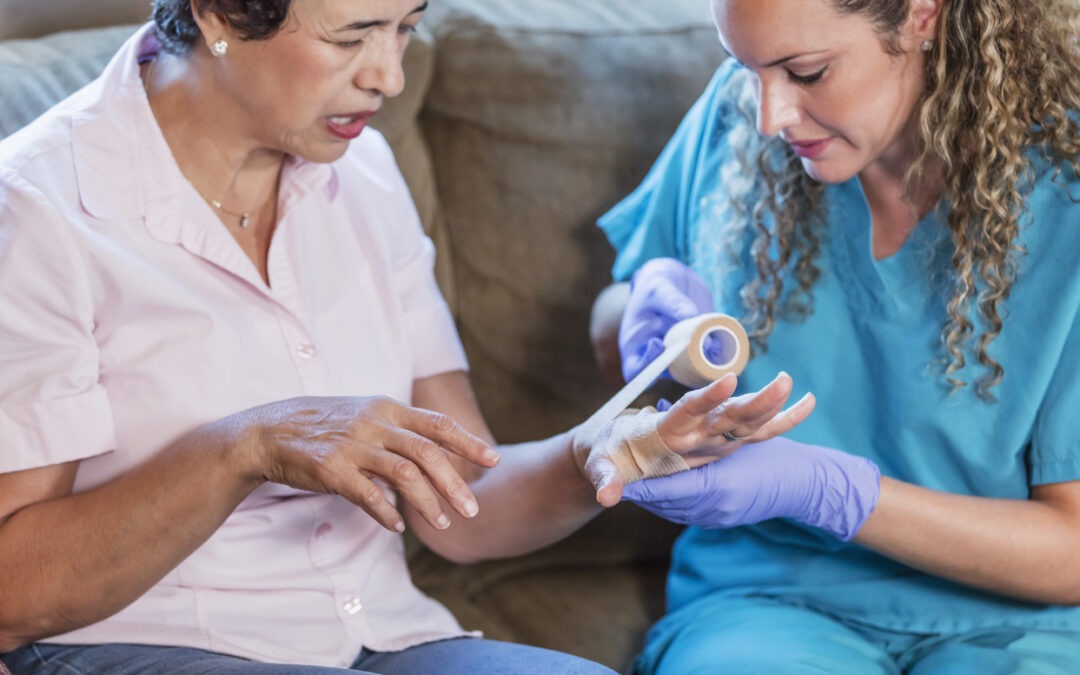
For many individuals, wound care takes place at home — with the support of caregivers and healthcare providers. Establishing a consistent routine is essential.

Practical Tips for At-Home Care:

  • Keep the wound clean and covered to prevent infection
  • Change dressings regularly as directed by a healthcare provider
  • Watch for signs of infection, such as redness, odor, or increased drainage
  • Reduce pressure on the affected area
  • Follow medical guidance closely, especially for chronic conditions

Many patients and caregivers find that having reliable access to wound care supplies makes maintaining consistency much easier.

Home-delivered medical supply providers, such as Home Care Delivered, work with healthcare professionals to help ensure patients receive medically necessary items — like wound dressings, gauze, cleansing solutions, and protective supplies — often covered by insurance. This kind of support can help reduce stress and make managing daily routines feel more manageable.

Need Wound Care Supplies?

Learn more about HCD's Wound Care supplies and available support.

When to Seek Medical Attention

While many wounds can be managed at home, it’s important to recognize when professional care is needed.

Seek medical attention if you notice:

  • Increased pain or swelling
  • Foul odor or unusual drainage
  • Redness spreading around the wound
  • Fever or signs of systemic infection
  • No improvement within a few weeks

Supporting Healing with the Right Approach

Chronic wounds are a common but manageable health challenge, especially for older adults and individuals living with ongoing conditions. By understanding the different types of wounds and recognizing key risk factors, individuals and caregivers can take proactive steps to support better outcomes.

Early attention, consistent routines, and access to the right supplies all play an important role in supporting healing and overall well-being. Having reliable support can also make daily management feel more manageable.

At Home Care Delivered (HCD), we understand that navigating a chronic condition can feel overwhelming at times. Our team works with you, your healthcare provider, and your health plan to help simplify access to the supplies you need — so you can focus on feeling more comfortable, confident, and supported every day.

Learn more:

Living with a chronic condition that requires medical supplies?

Let us help you get the products you need — delivered discreetly to your door.

Many people manage ongoing health conditions, and the right medical supplies can make all the difference. The team at HCD works with you, your doctor, and your insurance plan to support a wide range of needs, including urological, ostomy, diabetes, and wound care. We’ll help ensure you get the supplies you need to manage your condition with confidence.

Call 866-938-3906 to see if you qualify or reach out through our Contact Us form by selecting “An individual looking to see if I or a loved one qualifies for medical supplies.”

Sources:
* Sen CK. Human Wound and Its Burden: Updated 2025 Compendium of Estimates. Advances in Wound Care. 2025;14(9):429-438. doi:10.1177/21621918251359554

** Sahay A, Willis E, Yu S. Pressure injury education for older adults and carers living in community settings: A scoping review. Int Wound J. 2024; 21(5):e14894. doi:10.1111/iwj.14894

†National Institute of Diabetes and Digestive and Kidney Diseases (NIDDK). Diabetes, Peripheral Arterial Disease, and Foot Ulcers. Available at: https://www.niddk.nih.gov/health-information/professionals/diabetes-discoveries-practice/diabetes-peripheral-arterial-disease-and-foot-ulcers

1Katherine McDermott, Michael Fang, Andrew J.M. Boulton, Elizabeth Selvin, Caitlin W. Hicks; Etiology, Epidemiology, and Disparities in the Burden of Diabetic Foot Ulcers. Diabetes Care 2 January 2023; 46 (1): 209–221. https://doi.org/10.2337/dci22-0043

2Da Ros, R., Assaloni, R., Michelli, A., Brunato, B., Barro, E., Meloni, M., & Miranda, C. (2024). Burden of Infected Diabetic Foot Ulcers on Hospital Admissions and Costs in a Third-Level Center. Diabetology, 5(2), 141-150. https://doi.org/10.3390/diabetology5020011

The Importance and Variety of Ostomy Products: Helping Patients Find the Right Fit

The Importance and Variety of Ostomy Products: Helping Patients Find the Right Fit

agrace@hcd.com

Tag:

Published:

Last Updated:

Summary

Understanding Ostomy Care

For patients adjusting to life with an ostomy, the right supplies can make all the difference in maintaining comfort, confidence, and independence. Yet with so many product options available and every patient's needs being unique, selecting the right solution can feel overwhelming for both patients and care teams. Because every ostomy is different, there is no one-size-fits-all solution. Product selection often depends on factors such as stoma type, body contours, skin condition, activity level, dexterity, and personal preferences. This individualized approach is supported by research published in the Journal of Wound, Ostomy & Continence Nursing *, where an international panel of ostomy experts identified key factors to consider when helping a person with an ostomy determine appropriate product options. Their findings reinforce that product needs can vary based on a person's body, lifestyle, and preferences. Helping patients find products that fit comfortably and perform reliably is essential to supporting both physical health and emotional well-being.

Why Product Selection Matters

Choosing the appropriate ostomy supplies can help patients:

  • Maintain healthy peristomal skin
  • Reduce leaks and unexpected pouch changes
  • Improve comfort throughout daily activities
  • Build confidence returning to work, travel, and social activities
  • Support greater independence at home

Even small adjustments in product selection can significantly improve a patient's day-to-day experience and reduce unnecessary follow-up visits.

Understanding the Variety of Ostomy Products

There are many types of ostomy products designed to meet different clinical and lifestyle needs. Depending on the patient, care may include:

  • One-piece and two-piece pouching systems
  • Closed-end and drainable pouches
  • Flat, convex and moldable skin barriers
  • Ostomy accessories designed to improve fit and comfort

Finding the right combination often requires evaluating both clinical needs and patient preferences over time.

Supporting Better Outcomes Through Education

For many patients, adjusting to life with an ostomy extends beyond learning how to use new supplies. Education, encouragement, and ongoing support are equally important.

Case managers can help by:

  • Reinforcing proper product use and replacement schedules
  • Identifying signs that a product may no longer be the best fit
  • Encouraging patients to report skin irritation or leakage early
  • Connecting patients with resources that simplify ongoing supply management

These conversations help patients become more confident in managing their care while reducing avoidable complications.

A Partner Throughout the Care Journey

Navigating ostomy care shouldn't feel overwhelming. Home Care Delivered works alongside case managers, providers, and patients to simplify the process from referral through ongoing supply management.

Our team helps coordinate insurance verification, documentation requirements, and product fulfillment while providing access to a broad selection of high-quality ostomy products. By reducing administrative complexity and helping patients receive supplies that meet their individual needs, we support continuity of care and greater confidence at every stage of the journey.

Home Care Delivered Welcomes Christian Richards as Chief Financial Officer

agrace@hcd.com

Tag:

Published:

Summary

Richmond, VA (August 2026)

Home Care Delivered, Inc. (HCD), a leading provider of insurance-covered medical supplies for people with chronic health conditions, welcomes Christian Richards to the company's leadership team as Chief Financial Officer.

Christian Richards joins HCD with more than 20 years of healthcare finance experience and a strong background in financial leadership, operational strategy, and driving sustainable growth across healthcare organizations. His experience spans financial reporting, planning and analysis, revenue cycle management, mergers and acquisitions, and the development of scalable financial operations designed to support growth and organizational performance.

In previous roles, Christian served as Chief Financial Officer at Invo Healthcare and held senior finance roles across a variety of healthcare and diagnostic services organizations. Throughout his career, he has built and led high-performing finance teams, modernized financial reporting systems, and collaborated with operational leaders and boards to drive strategic decision-making and strengthen business outcomes.

“I'm thrilled to welcome Christian Richards to Home Care Delivered as our Chief Financial Officer,” said Gayle Devin, CEO. “Christian brings an exceptional combination of financial leadership, strategic insight, and operational expertise that will be instrumental as we continue to execute our long-term growth strategy and expand our impact across the healthcare continuum. As we celebrate our 30th year of serving patients, caregivers, and healthcare partners, Christian joins us at an exciting time in our company's evolution. His proven ability to build high-performing finance organizations, drive operational excellence, and support sustainable growth makes him an outstanding addition to our executive leadership team.”

Home Care Delivered Welcomes Frank Segura as Senior Vice President of Payer Strategy and Access

agrace@hcd.com

Tag:

Published:

Summary

Richmond, VA (May 2026)

Home Care Delivered, Inc. (HCD), a leading provider of insurance-covered medical supplies for people with chronic health conditions, welcomes Frank Segura to the company’s leadership team as Senior Vice President of Payer Strategy and Access.

Frank Segura joins HCD with more than 25 years of healthcare experience and a strong background in driving growth, building payer partnerships, and advancing value-based care initiatives. Throughout his career, he has worked alongside national and regional health plans, health systems, and provider organizations to negotiate complex agreements and support scalable healthcare networks.

In previous roles, Frank has led initiatives focused on value-based reimbursement models, full-risk arrangements, and large-scale provider partnerships designed to align performance with long-term sustainability and improved patient outcomes.

“We are pleased to welcome Frank Segura to the HCD team as Sr. Vice President of Payer Contracting and Payer Relations,” said Gayle Devin, CEO . “As HCD continues to expand, strengthening and advancing our relationships with payers across the country will be essential to supporting our growing customer base and long-term strategic objectives. Frank brings deep expertise in payer contracting and relationship management, and we are confident his leadership will further enhance our ability to collaborate with both new and existing payer partners. Together, we will continue developing innovative, value-driven contracting strategies that help mitigate risk, improve patient access to high-quality products and services, and support cost-effective outcomes for health plans and their members.”

hcd plugin logo
Privacy Overview

This website uses cookies so that we can provide you with the best user experience possible. Cookie information is stored in your browser and performs functions such as recognising you when you return to our website and helping our team to understand which sections of the website you find most interesting and useful.