
Why Accurate Documentation Is Critical for Timely Medical Supply Delivery

Why Accurate Documentation Is Critical for Timely Medical Supply Delivery

Tag:

Published:

Last Updated:

Summary

Each health plan requires specific medical documentation and a completed Physician Order Form to cover medically necessary supplies. Accurate and complete documentation is one of the most important factors in ensuring patients receive medical supplies without delays.

Incomplete or missing documentation can result in:

  • Processing delays
  • Additional follow-up
  • Disruptions in care

How We Support a Streamlined Documentation Process for Providers

Based on our collaborative relationships with health plan case managers and our deep understanding of plan requirements, we’ve developed a streamlined approach to working with medical professionals — helping simplify the documentation process and improve efficiency.

We support provider offices by:

  • Providing quick reference guides with condition-specific Referral Forms and state-specific Physician Order Forms
  • Offering education on commonly missed fields
  • Sharing guidance on why certain fields must be completed by the signing physician office
  • Providing direct support from HCD team members

Impact of a Streamlined Documentation Process

Getting documentation right the first time:

  • Reduces administrative burden
  • Improves processing speed
  • Minimizes back-and-forth with physician offices
  • Supports better patient outcomes

For additional support, including samples of Referral and Physician Order Forms, please reach out to your Sales Account Executive. We’re here to help simplify the process for you and your members.

Living with a chronic condition that requires medical supplies?

Let us help you get the products you need — delivered discreetly to your door.

Many people manage ongoing health conditions, and the right medical supplies can make all the difference. The team at HCD works with you, your doctor, and your insurance plan to support a wide range of needs, including urological, ostomy, diabetes, and wound care. We’ll help ensure you get the supplies you need to manage your condition with confidence.

Call 866-938-3906 to see if you qualify or reach out through our Contact Us form by selecting “An individual looking to see if I or a loved one qualifies for medical supplies.”
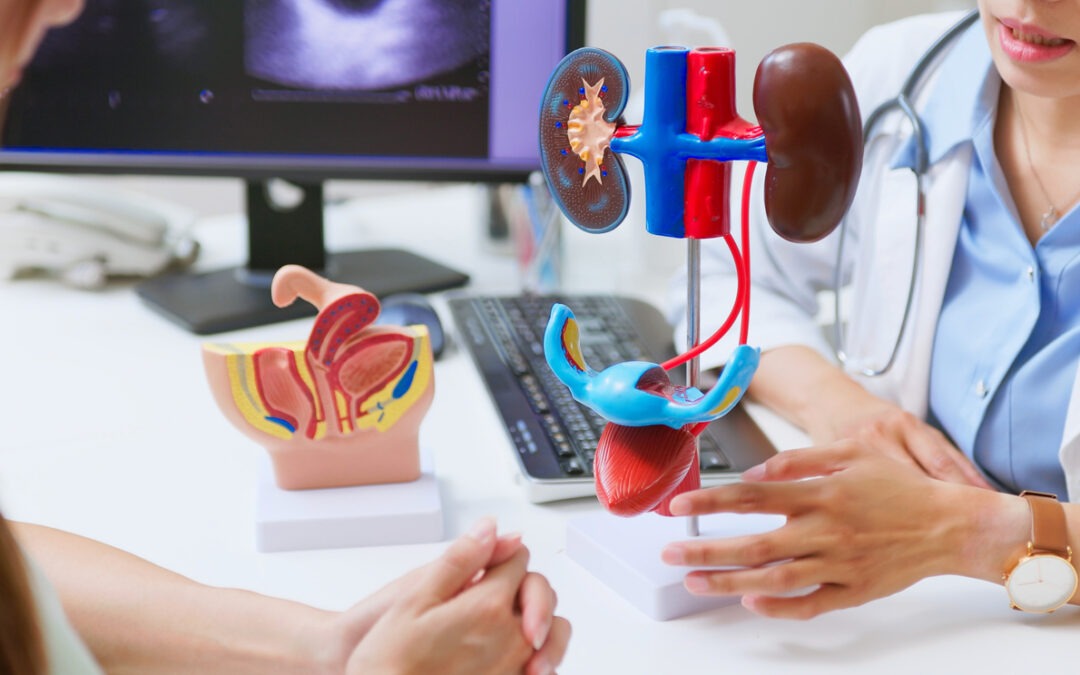

Urological Conditions and Medical Supply Support: A Guide for Case Managers and Care Teams

Urological Conditions and Medical Supply Support: A Guide for Case Managers and Care Teams

Tag:

Published:

Last Updated:

Summary

Urological conditions are among the most common health concerns in the United States, affecting millions of individuals each year. These conditions impact the urinary tract — including the kidneys, ureters, bladder, and urethra — and can significantly affect a patient’s quality of life.

As the population continues to age, the demand for urological healthcare is expected to rise. At the same time, the cost of urological care has been increasing by an estimated 5–7% annually, further emphasizing the need for efficient, coordinated care and access to appropriate medical supplies.

Understanding Common Urological Conditions

Incontinence
Incontinence is the involuntary loss of urine and can range from minor leakage to complete bladder emptying. It is often associated with aging, neurological conditions, or underlying health issues.

Urinary Retention
Urinary retention is the inability to fully empty the bladder. It may result from nerve damage, weakened bladder muscles, or physical obstructions such as an enlarged prostate. In some cases, retention can lead to overflow incontinence.

Neurogenic Bladder
Neurogenic bladder occurs when nerve damage affects bladder function. Patients may experience urinary retention, leakage, or frequent infections. This condition often requires intermittent catheterization or other long-term supply support.

Why Urological Conditions Matter

These conditions can lead to:

  • Increased risk of infection
  • Skin breakdown and irritation
  • Reduced independence
  • Lower quality of life

Early identification and proper management are essential to improving outcomes.

Medical Supply Support

Many urological conditions require ongoing access to supplies such as:

  • Intermittent catheters
  • Indwelling (Foley) catheters
  • External/condom catheters
  • Incontinence products

Ensuring patients receive the correct product type, size, and quantity is critical to helping your patient manage their condition well.

How HCD Helps to Support Coordination of Care for Medical Supplies

Effective support requires coordination between:

  • Medical Providers
  • Health plans
  • Patients
  • Our HCD Team

This alignment helps:

  • Meet coverage requirements
  • Select the right product, right size
  • Reduce order delays
  • Ensure patient access and continuity of care

Understanding urological conditions allows care teams to better support patients with the right products and resources. With the right support and education, patients can manage their condition more effectively and maintain a higher quality of life.

Living with a chronic condition that requires medical supplies?

Let us help you get the products you need — delivered discreetly to your door.

Many people manage ongoing health conditions, and the right medical supplies can make all the difference. The team at HCD works with you, your doctor, and your insurance plan to support a wide range of needs, including urological, ostomy, diabetes, and wound care. We’ll help ensure you get the supplies you need to manage your condition with confidence.

Call 866-938-3906 to see if you qualify or reach out through our Contact Us form by selecting “An individual looking to see if I or a loved one qualifies for medical supplies.”

Dexcom G6 to G7 Transition: Key Updates for Providers and Patients

Dexcom G6 to G7 Transition: Key Updates for Providers and Patients

Tag:

Published:

Last Updated:

Summary

Patients currently using Dexcom G6 continuous glucose monitoring systems will begin transitioning to the newer Dexcom G7.

What’s Changing with G7

  • Sensor and transmitter combined
  • New receiver required
  • Updated placement options

What Remains the Same

  • 10-day wear time
  • Compatibility with insulin pumps
  • No changes to ordering workflows

Support During Transition

Our HCD team works with medical teams to ensure documentation is updated when needed, helping avoid disruptions in patient access.

Living with a chronic condition that requires medical supplies?

Let us help you get the products you need — delivered discreetly to your door.

Many people manage ongoing health conditions, and the right medical supplies can make all the difference. The team at HCD works with you, your doctor, and your insurance plan to support a wide range of needs, including urological, ostomy, diabetes, and wound care. We’ll help ensure you get the supplies you need to manage your condition with confidence.

Call 866-938-3906 to see if you qualify or reach out through our Contact Us form by selecting “An individual looking to see if I or a loved one qualifies for medical supplies.”

Incontinence and Urology Supplies — What’s the Difference?

Incontinence and Urology Supplies — What’s the Difference?

Tag:

Published:

Last Updated:

Summary

At first glance, incontinence and urological supplies might appear to be quite similar; They both treat urinary conditions and help manage bladder control. But that’s where the similarities end.

There’s actually a big difference between incontinence and urological supplies and understanding the difference is important to successful urinary care and good health.

What’s the Difference?

Incontinence and urological supplies are actually two separate classifications of products. This is because each product serves different purposes. Absorbent Incontinence products, such as bladder control pads and briefs, are made for people who leak urine. Urological supplies, like straight catheters, are for people who have trouble urinating on their own.

Because they are classified differently, insurance coverage may vary on which products are covered as a benefit. For example, some Medicaid plans cover incontinence supplies, while Medicare does not.

Incontinence Supplies

Incontinence supplies are products that help manage the involuntary and unexpected leakage of urine. They usually come in the form of soft, absorbent pads or briefs that are worn underneath clothing. The interior of the products are filled with a special polymer that absorbs liquid and locks it away, which helps to keep skin and clothing dry.

Common incontinence supplies include products such as Bladder Control Pads, Male Guards, Protective Underwear, and Adult Briefs (Adult Diapers). Each type of incontinence product is made to handle a different level of leakage.

Urological Supplies

Urological supplies are products designed for people who have urinary retention and need help removing urine from the body. This could be caused by many things, such as a blockage in the urethra, or an issue with the nervous system that won’t allow the bladder muscles to relax. The supplies themselves consist of smooth, thin tubes (called catheters) that are inserted into the bladder through the urethra, allowing trapped urine to leave the body. Urine travels through the tube and often collects in a drainage bag

Common urological supplies include products such as catheters, drainage bags, and insertion trays. There are many different types of catheters, each one made to accommodate a different medical need.

Condom/External Catheters

Condom catheters are unique among urology supplies, in that they do not manage urinary retention. Instead, they manage incontinence. They also are not inserted into the body through the urethra but are used outside of the body.

There are three basic parts to a condom catheter: the external condom, the tubing, and the drainage bag. The external condom goes over the penis and attaches to the tubing, which is then attached to the leg bag. When leakage occurs, it travels down the tubing and is collected in the drainage bag.

Which Product Is Right for Me?

To find out what product is right for your needs, talk with a doctor and get a diagnosis. Your doctor can help you determine what’s causing your leakage and put together a plan to treat it.

Once you’ve spoken to a doctor, sign up online or speak to us about getting supplies. We’ll find you the perfect product for your needs. Your insurance could even cover the cost.

variety of medical supply categories diabetes incontinence ostomy wound

Living with a chronic condition that requires medical supplies?

Let us help you get the products you need — delivered discreetly to your door.

Many people manage ongoing health conditions, and the right medical supplies can make all the difference. The team at HCD works with you, your doctor, and your insurance plan to support a wide range of needs, including urological, ostomy, diabetes, and wound care. We’ll help ensure you get the supplies you need to manage your condition with confidence.

Call 866-938-3906 to see if you qualify or reach out through our Contact Us form by selecting “An individual looking to see if I or a loved one qualifies for medical supplies.”

What Is Insurance Preauthorization?

What Is Insurance Preauthorization?

Tag:

Published:

Last Updated:

Summary

If you’ve received medical care and have insurance, you’ve probably heard of insurance preauthorization. It can be a necessary step in getting the supplies or treatment you need to be covered by your insurance plan. But it can also be confusing. What is insurance preauthorization and how does it affect people who need medical supplies? Get the answers to these questions and more below.

What is Preauthorization?

Preauthorization, sometimes call pre-certification, predetermination, or prior approval, is a requirement from an insurance plan to authorize a healthcare service or product before it is provided. That means the insurance plan approves medical supplies before treatment or supplies are provided.

Why do I need preauthorization?

Preauthorization allows insurance plans to review supplies or services to help make sure you are receiving the right products for your needs. During preauthorization, reviewers confirm that the requested supplies are needed to treat your specific medical condition and that you’re receiving the correct quantity. This is also important for you, since you will have a better idea of what is covered or not covered, which could potentially leave you with the responsibility of covering the cost.

When do I need preauthorization?

Preauthorization requirements are different for every insurance plan and condition. Whether or not you need preauthorization to receive supplies can depend on a few factors, including:

  • The insurance plan type
  • Coverage requirements
  • Type of supplies

If you use Home Care Delivered to receive your medical supplies, you don’t have to worry about finding out if preauthorization is needed. We keep track of each insurance plan’s specific requirements, so you don’t have to. If you need preauthorization for your supplies, we’ll always let you know and also retrieve it for you.

How do I get a preauthorization?

If you’re an HCD customer, you don’t have to! We take care of the paperwork on your behalf, including preauthorizations. If you need a preauthorization from your insurance plan, we’ll collect all the necessary paperwork from your doctor and send it to your insurance plan for approval. After we receive the completed preauthorization, we’ll ship your supplies.

Taking care of preauthorizations is just one of the many things HCD does to take the stress out of receiving medical supplies. If you’d like to sign up for supply deliveries, enter your phone number in the bottom left of this screen and we’ll give you a call. When you do, you’ll experience for yourself why we’re the highest-rated medical supplier.

variety of medical supply categories diabetes incontinence ostomy wound

Living with a chronic condition that requires medical supplies?

Let us help you get the products you need — delivered discreetly to your door.

Many people manage ongoing health conditions, and the right medical supplies can make all the difference. The team at HCD works with you, your doctor, and your insurance plan to support a wide range of needs, including urological, ostomy, diabetes, and wound care. We’ll help ensure you get the supplies you need to manage your condition with confidence.

Call 866-938-3906 to see if you qualify or reach out through our Contact Us form by selecting “An individual looking to see if I or a loved one qualifies for medical supplies.”

hcd plugin logo
Privacy Overview

This website uses cookies so that we can provide you with the best user experience possible. Cookie information is stored in your browser and performs functions such as recognising you when you return to our website and helping our team to understand which sections of the website you find most interesting and useful.